Phonics games for Nursery to Year 2
Children learn to read in England with systematic synthetic phonics: they learn the sound each letter or group of letters makes, then blend those sounds to read words (s-a-t → sat) and split words into sounds to spell them. Pompom Kids turns each step into a short, spoken game for children aged 3 to 7.
Every sound is spoken aloud and kept short and pure (“mmm”, not “muh”). Games only use the sounds a child has already been taught: a grown-up sets the level in the Grown-ups’ Lodge to match school, and the games follow.
- Nursery (ages 3 to 4): Phase 1 listening: rhymes, rhythm, sounds around us and oral blending.
- Reception (ages 4 to 5): Phases 2 to 4: letter sounds, blending CVC words, digraphs such as sh, ch and ee, and first tricky words.
- Year 1 (ages 5 to 6): Phase 5 alternative spellings (ay, ai, a‿e) and practice for the Phonics Screening Check, including real and nonsense words.
- Year 2 (ages 6 to 7): secure reading of longer words and moving on to spelling rules.
Sound Garden: listening, letters and phonics
All the phonics games live in the Sound Garden. Each one changes what it asks for with a child’s year group and phonics level.

Rhyme Time
Phonics: Phase 1 listening · Nursery to Reception (ages 3 to 5) · Free
Listening for rhyme — a Phase 1 skill that comes before letters. Pictures are spoken when tapped.
What it practises in each year
- Nursery: Hear and pick out rhyming words (Phase 1 aspect 4: rhythm and rhyme).
- Reception: Recognise and supply rhymes before and alongside Phase 2 letters.
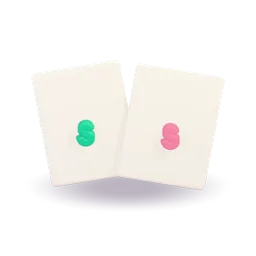
Same Sound Snap
Phonics: Phase 1 listening · Nursery to Reception (ages 3 to 5) · Members
Hearing the first sound in a word (alliteration), ready for learning letters.
What it practises in each year
- Nursery: Hear that words can start with the same sound (alliteration).
- Reception: Isolate the initial sound in a spoken word, ready to match it to a letter.

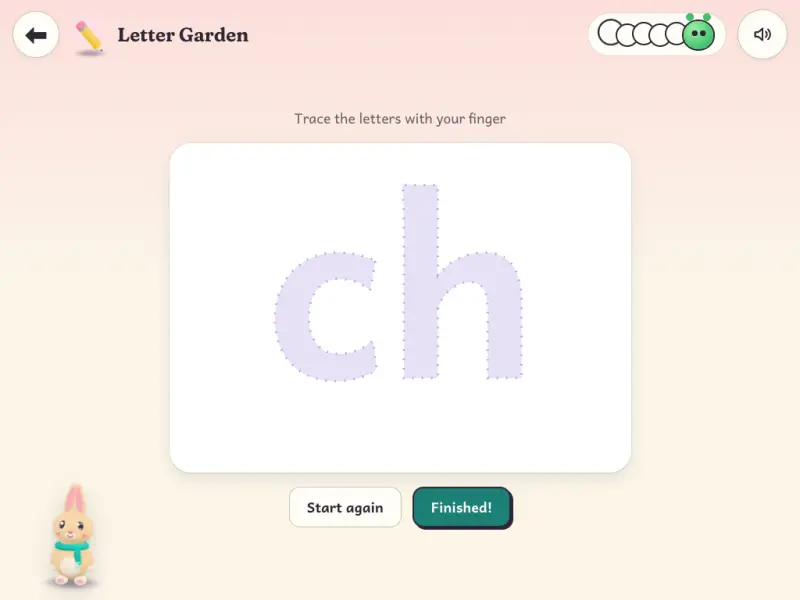
Letter Garden
Phonics: grapheme–phoneme correspondences · Nursery to Year 1 (ages 3 to 6) · Free
Meet the sounds in the order schools teach them: see the letters, say the sound, then trace the shape.
What it practises in each year
- Nursery: Meet the first letters (s a t p) through sound and picture — no pressure to write.
- Reception: Learn each new Phase 2–3 GPC in teaching order; form the letter correctly.
- Year 1: Secure Phase 3 digraphs and learn Phase 5 alternative graphemes.
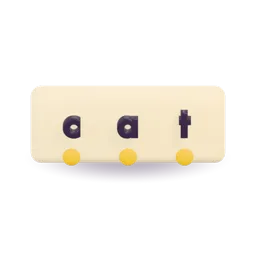
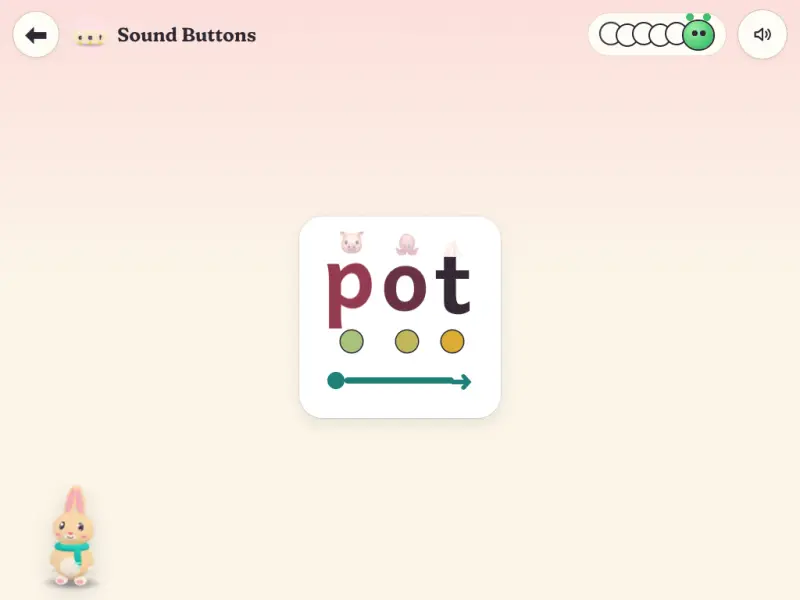
Sound Buttons
Phonics: blending to read · Reception to Year 1 (ages 4 to 6) · Free
Blending: touch each sound button, say the sounds, then sweep to read the word. The picture only appears after reading — no guessing.
What it practises in each year
- Reception: Blend sounds in CVC words using only taught GPCs (ELG: Word Reading).
- Year 1: Blend words with digraphs, adjacent consonants and split digraphs (NC Y1 Word Reading).
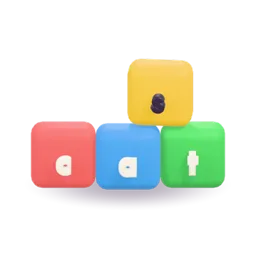
Word Builder
Phonics: segmenting to spell · Reception to Year 2 (ages 4 to 7) · Members
Segmenting for spelling: hear a word, then put one sound in each box (sound boxes).
What it practises in each year
- Reception: Segment CVC words into sounds and choose a grapheme for each.
- Year 1: Spell words with digraphs and adjacent consonants using taught GPCs.
- Year 2: Segment longer words into phonemes and choose correct graphemes.

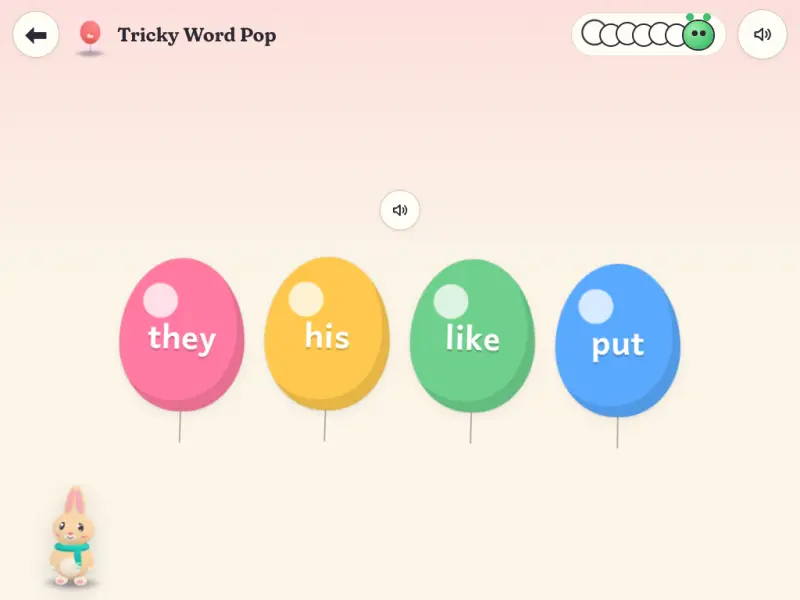
Tricky Word Pop
Phonics: common exception words · Reception to Year 2 (ages 4 to 7) · Members
Common exception ("tricky") words. After each pop we show the one tricky part, as schools teach it.
What it practises in each year
- Reception: Read the Phase 2–3 tricky words (the, to, I, no, go…).
- Year 1: Read Y1 common exception words, noticing the tricky part.
- Year 2: Read Y2 common exception words quickly and accurately.
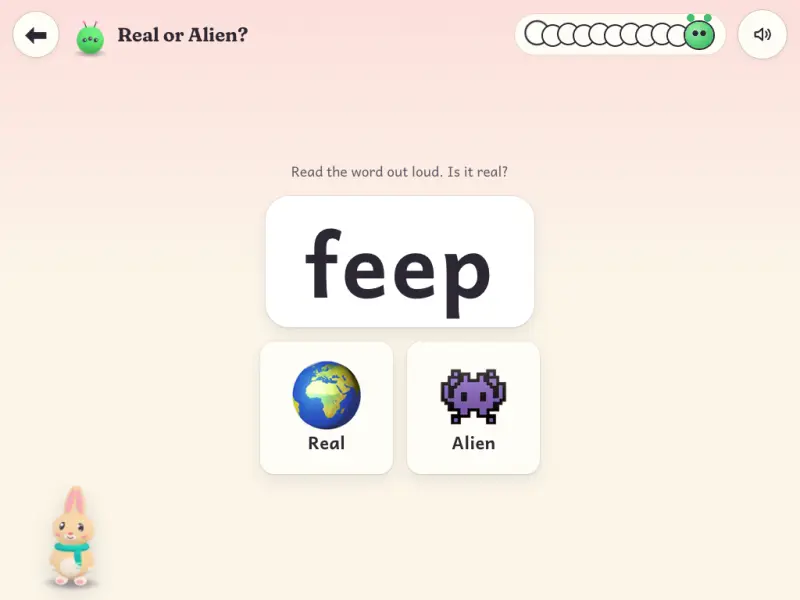
Real or Alien?
Phonics: decoding (Phonics Screening Check) · Year 1 to Year 2 (ages 5 to 7) · Members
Read real and made-up "alien" words, like the Year 1 Phonics Screening Check. Alien words prove true decoding.
What it practises in each year
- Year 1: Decode real and pseudo-words using all taught GPCs, as in the Phonics Screening Check.
- Year 2: Re-secure decoding for children re-taking the Phonics Screening Check.

Robot Talk
Phonics: Phase 1 oral blending · Nursery to Reception (ages 3 to 5) · Free
Oral blending with no letters: a friendly robot says a word sound by sound, and the child finds the picture. Hearing sounds merge into words is the step before reading.
What it practises in each year
- Nursery: Orally blend two or three spoken sounds into a familiar word and match it to a picture (Phase 1, aspect 7: voice sounds).
- Reception: Orally blend CVC and four-sound words (adjacent consonants), choosing between pictures that share sounds — ready for reading words (ELG: Word Reading).
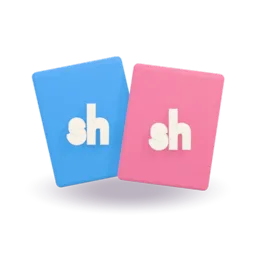
Sound Pairs
Phonics: grapheme–phoneme correspondences · Reception to Year 1 (ages 4 to 6) · Free
A memory game: turn over a letter card and find the picture that starts with (or holds) its sound. Weighted to the newest sounds.
What it practises in each year
- Reception: Match each taught Phase 2–3 grapheme to its sound picture, remembering where cards are (ELG: say a sound for each letter and some digraphs).
- Year 1: Recall digraphs, trigraphs, split digraphs and Phase 5 graphemes quickly by matching each to its sound picture (NC Y1: respond speedily with the correct sound).
Alphabet Train
Phonics: letter names and the alphabet · Reception to Year 1 (ages 4 to 6) · Members
Letter names (not sounds) and alphabetical order: fill the missing carriage. Year 1 adds capitals and "before and after".
What it practises in each year
- Reception: Say the names of lower-case letters and find the missing letter in a run of the alphabet, a to z.
- Year 1: Name the letters of the alphabet in order, say which letter comes before or after another, and match capital letters to lower-case letters (NC Y1 Spelling: name the letters of the alphabet in order).
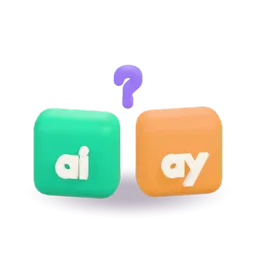
Which Spelling?
Phonics: Phase 5 alternative spellings · Year 1 to Year 2 (ages 5 to 7) · Members
Phase 5 spelling choices: hear the word, see it with a gap, and pick the grapheme that spells the sound. Only words the child can already decode.
What it practises in each year
- Year 1: Choose between the common spellings of a vowel sound (ai/ay/a-e, ee/ea/e-e/ey, igh/ie/i-e/y, oa/ow/o-e/oe, oo/ue/ew/u-e, ur/ir/er, or/aw/au) to spell a pictured, decodable word (NC Y1 Spelling).
- Year 2: Spell words using less common alternatives too (ey in grey, ie in thief, ou in soup, ear in learn, ar in warm, ear in bear), choosing from up to four spellings without a picture (NC Y2: segment words and represent phonemes by graphemes, learning new ways of spelling phonemes).
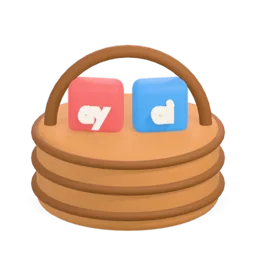
Sound Sort
Phonics: Phase 5 alternative spellings · Year 1 to Year 2 (ages 5 to 7) · Members
Word sorts build spelling memory: words with the same sound go into baskets by spelling. After two tries the right basket is shown.
What it practises in each year
- Year 1: Read words with the same vowel sound and sort them into two baskets by how the sound is spelt (ai/ay, ee/ea, oi/oy…), noticing where each spelling sits in a word.
- Year 2: Sort words into three spelling baskets, including less common spellings (ey, ie, ou, ear, ar), and use position patterns (ay and oy at the end) to help spell (NC Y2 Spelling).
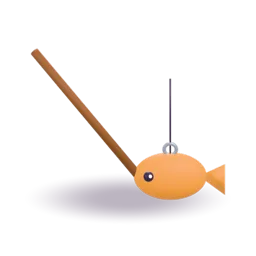
Sound Fishing
Phonics: recognising graphemes in words · Reception to Year 1 (ages 4 to 6) · Members
Fish swim past carrying words; catch each one that contains the target grapheme. Every word is decodable at the child’s level.
What it practises in each year
- Reception: Find a taught letter or digraph inside short decodable words (6 fish, 2–3 to catch), reading each word to check (ELG: Word Reading).
- Year 1: Spot digraphs, trigraphs and Phase 5 graphemes inside longer decodable words among 8 fish, without being fooled by look-alike letters (a in rain is part of ai) (NC Y1: read accurately by blending taught GPCs).

Syllable Drum
Phonics: Phase 1 listening · Nursery to Reception (ages 3 to 5) · Free
Tap the drum for each beat in a word (but·ter·fly). Hearing syllables prepares children to split words into sounds.
What it practises in each year
- Nursery: Tap the beats (syllables) in spoken words of one to three syllables (Phase 1 aspect 4: rhythm and rhyme).
- Reception: Split spoken words of up to four syllables into beats, ready for oral segmenting (Phase 1 aspect 7).
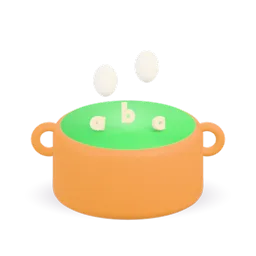
Silly Soup
Phonics: Phase 1 listening · Nursery to Reception (ages 3 to 5) · Members
Pompom’s soup only takes things that start with the same sound. Hearing alliteration is Phase 1 aspect 5.
What it practises in each year
- Nursery: Pick out two words that start with the same sound from four pictures (Phase 1 aspect 5: alliteration).
- Reception: Find two or three words that share a first sound from six pictures, ready to link sounds to letters (Phase 1 aspect 5).
The phonics sequence, level by level
Pompom Kids follows a typical systematic synthetic phonics (SSP) order. A grown-up sets each child’s level to match what school has taught; the phonics games, decodable books and spelling then use only those sounds, so a child is never asked to read a word they have not been taught to decode.
- Phase 2 (Reception, autumn term): One sound for each letter; blend and segment simple CVC words (s-a-t → sat).
- Phase 3 (Reception, autumn to spring): The rest of the alphabet, then two- and three-letter sounds (sh, ee, igh); read captions and short sentences.
- Phase 4 (Reception, summer term): No new sounds: words with adjacent consonants (st-o-p, b-l-a-ck) and longer words.
- Phase 5 (Year 1): Alternative spellings and pronunciations of sounds already known (ai, ay, a‿e) — ready for the Phonics Screening Check.
| Level | Phase | New sounds | Words to read | Tricky words |
|---|---|---|---|---|
| 1 | Phase 2 | s a t p | tap | — |
| 2 | Phase 2 | i n m d | map, pin, tin, man | I, is, as |
| 3 | Phase 2 | g o c k | dig, pig, dog, cat | to, no, go, into |
| 4 | Phase 2 | ck e u r | sock, duck, rock, kick | — |
| 5 | Phase 2 | h b f l | bug, hen, hat, bat | the, has, his, of, put |
| 6 | Phase 2 | ff ll ss | bell, doll, hill | pull, full, all |
| 7 | Phase 3 | j v w x | jam, van, web, box | he, we, me, be |
| 8 | Phase 3 | y z zz qu | zip | was, my, you |
| 9 | Phase 3 | ch sh th ng | chip, ship, fish, shop | push, she, they |
| 10 | Phase 3 | nk ai ee igh | rain, bee, feet, sheep | her |
| 11 | Phase 3 | oa oo ar or | boat, goat, coat, moon | are |
| 12 | Phase 3 | ur ow oi ear | cow, owl, coin, ear | said |
| 13 | Phase 3 | air er | chair, farmer | — |
| 14 | Phase 4 | adjacent consonants | ant, star, frog, drum | have, like, so, do, some, come, were, there, little, one, when, out, what |
| 15 | Phase 5 | ay ou ie ea | tray, cloud, pie, tie | oh, their, people, Mr, Mrs, looked, called, asked |
| 16 | Phase 5 | oy ir ue aw | toy, bird, shirt, paw | could, water, where |
| 17 | Phase 5 | wh ph ew oe | — | who, again, thought, through |
| 18 | Phase 5 | au ey a‿e e‿e | whale, cake, snake | work, any, many |
| 19 | Phase 5 | i‿e o‿e u‿e | phone, bike, kite, rose | friend, because |
Decodable books to go with the phonics
Phonics sticks when children read real sentences with the sounds they know. The Story Tree has 12 decodable books, each written for one phonics level and checked automatically so that every word can be sounded out (apart from the tricky words already taught). See reading and story books.
Try Pompom Kids free
A free parent account opens 23 games and the free story books straight away, with no adverts and no in-game purchases. A family membership unlocks all 58 games and 18 books for every child in the family.
More about what children learn: Reading · Maths · UK curriculum · Parent guides